"The Lion of Africa"
Born in France, celebrated at Geneva, victorious in Kenya — the Peugeot 504 became one of the most important automobiles of the twentieth century. It won Car of the Year in its first full season, dominated African rallying, and outlived its European production run by 23 years. 3.7 million were built across six continents.
Overview
The 504 was engineered for comfort and durability above all else. Its all-independent suspension — a Peugeot first for a rear-wheel-drive car — gave it a supple ride that proved ideal for the rough roads of Africa.
Combined with the torque tube driveshaft and rack-and-pinion steering, the chassis was considerably more sophisticated than most contemporaries at its price point. A Peugeot executive described the Pininfarina-designed body as giving the car "the eyes of Sophia Loren."
Design studies began in 1963 under Maurice Jordan. The September 1968 launch — delayed from June by the May 1968 social unrest that shut down the Sochaux factory — introduced a car that would win Europe's top award and go on to dominate African roads for four decades.
Body Styles
From the elegant Pininfarina Coupé to the indestructible African pickup, the 504 family covered every need across every continent.
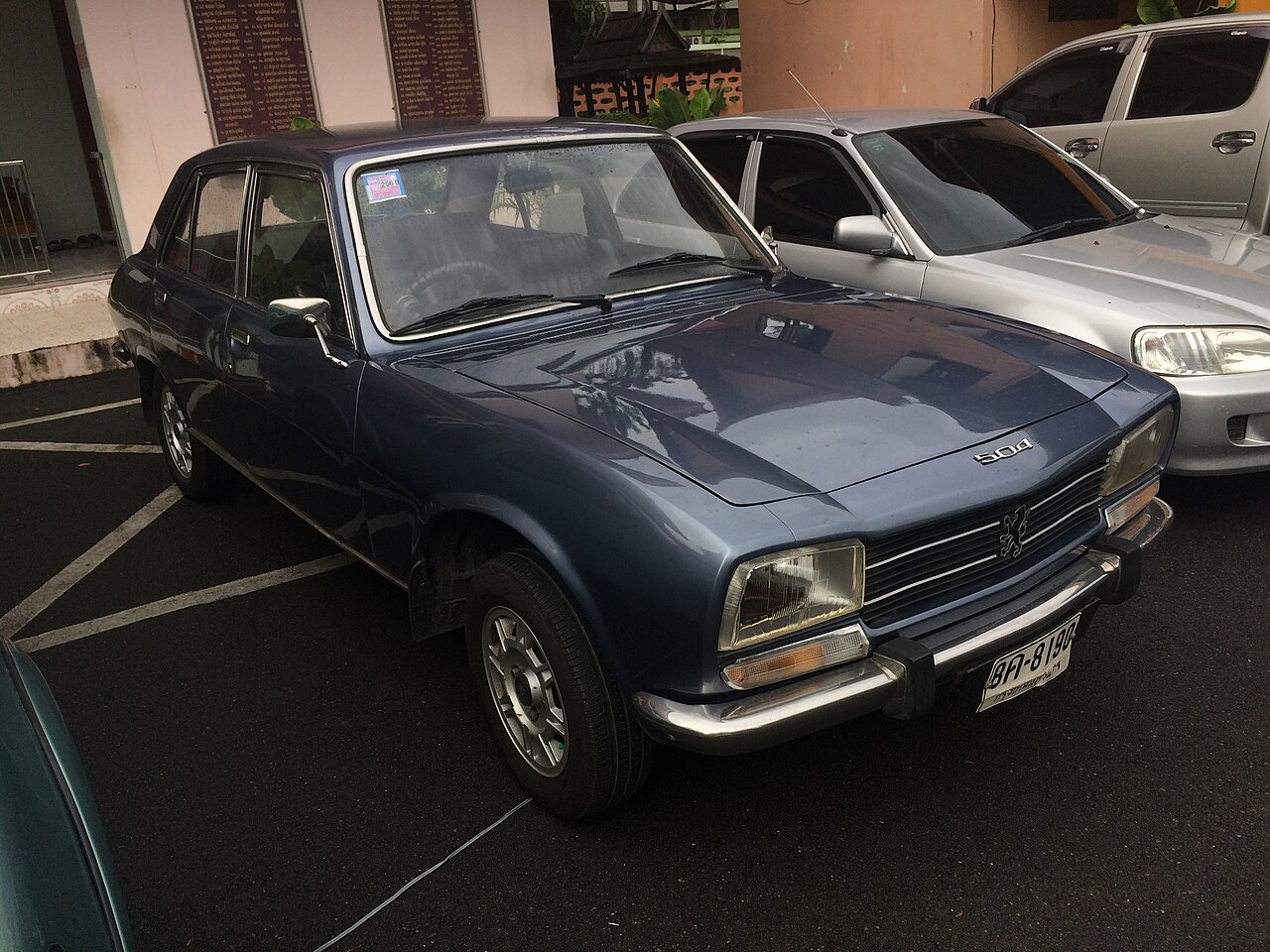
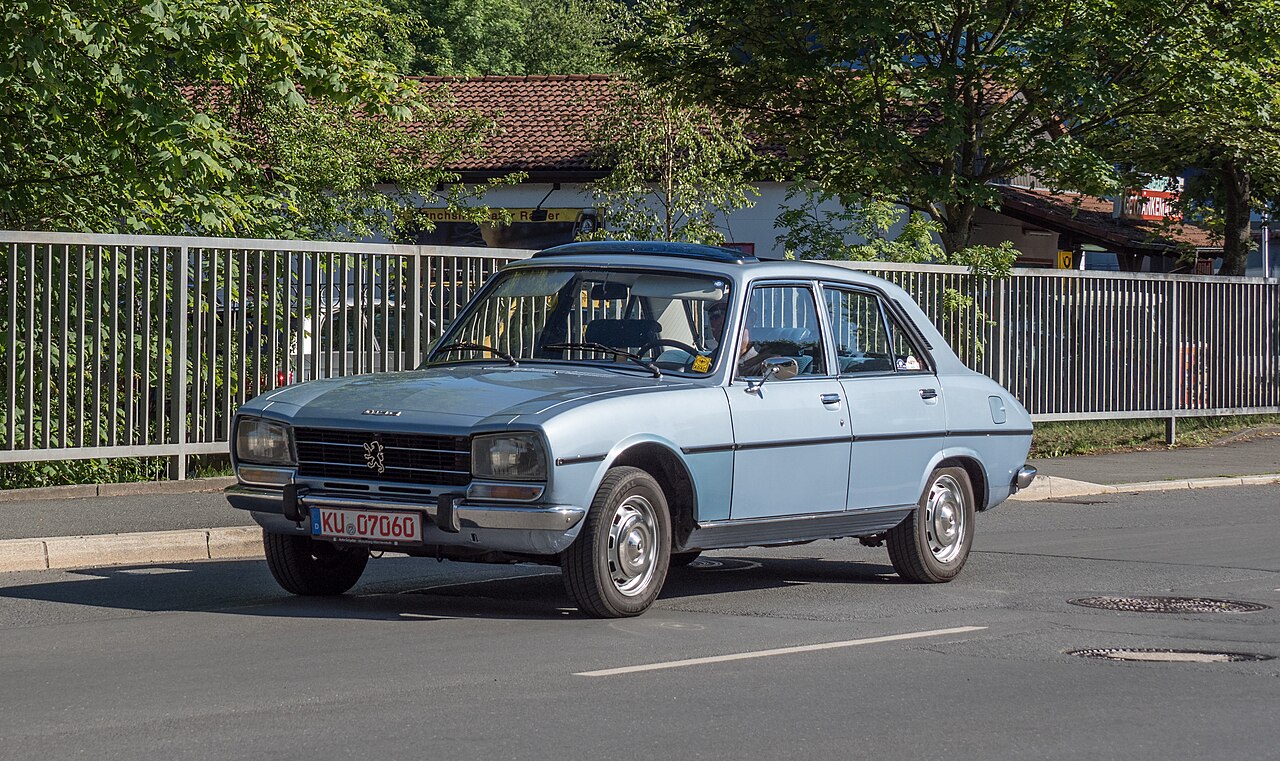
The foundational body style. Over 2.6 million built in Europe alone. MacPherson struts, all-independent suspension, rack-and-pinion steering.
Explore →
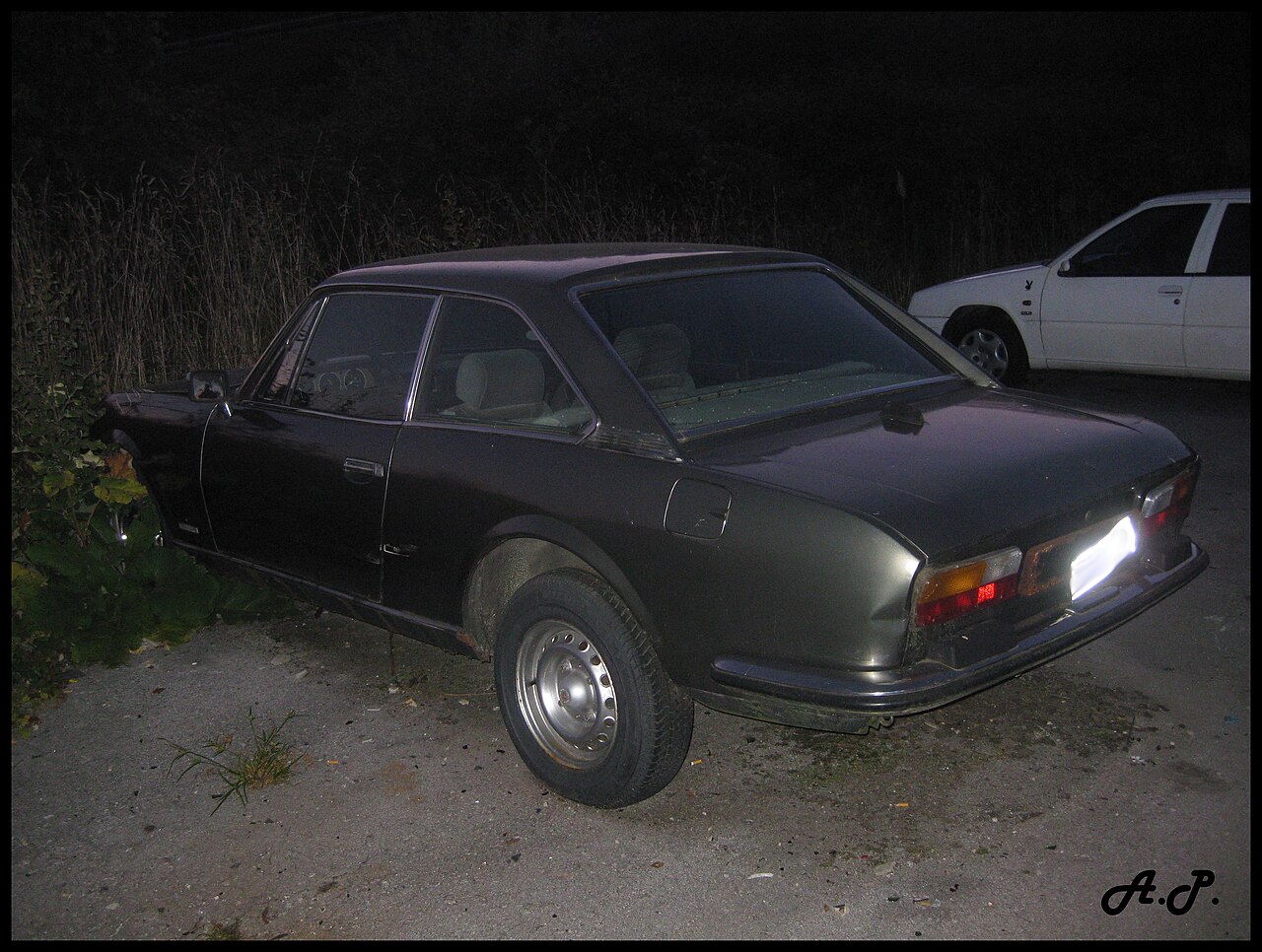
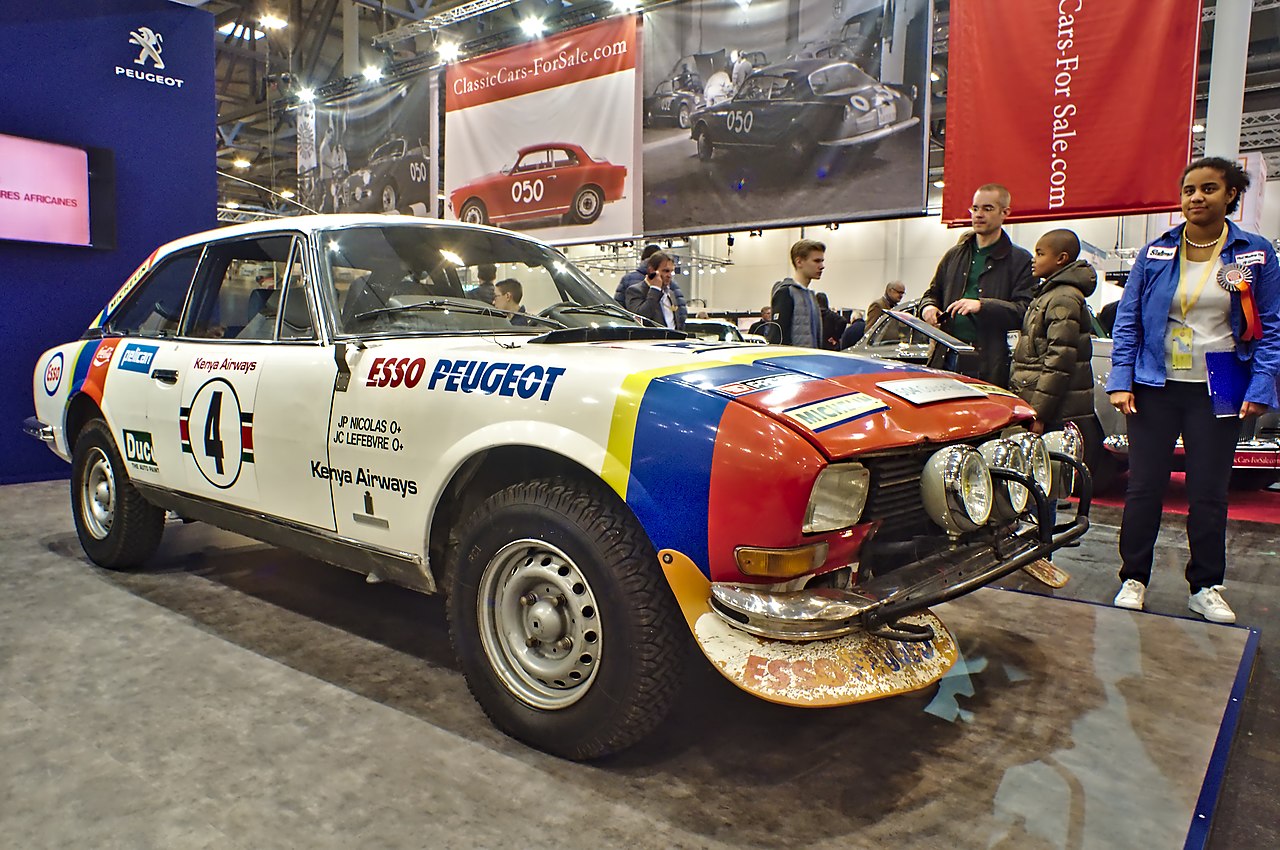
Two-door grand tourer designed by Franco Martinengo. Bodyshells built in Turin. Available with the PRV V6 from 1974. 1978 Safari Rally winner.
Explore →
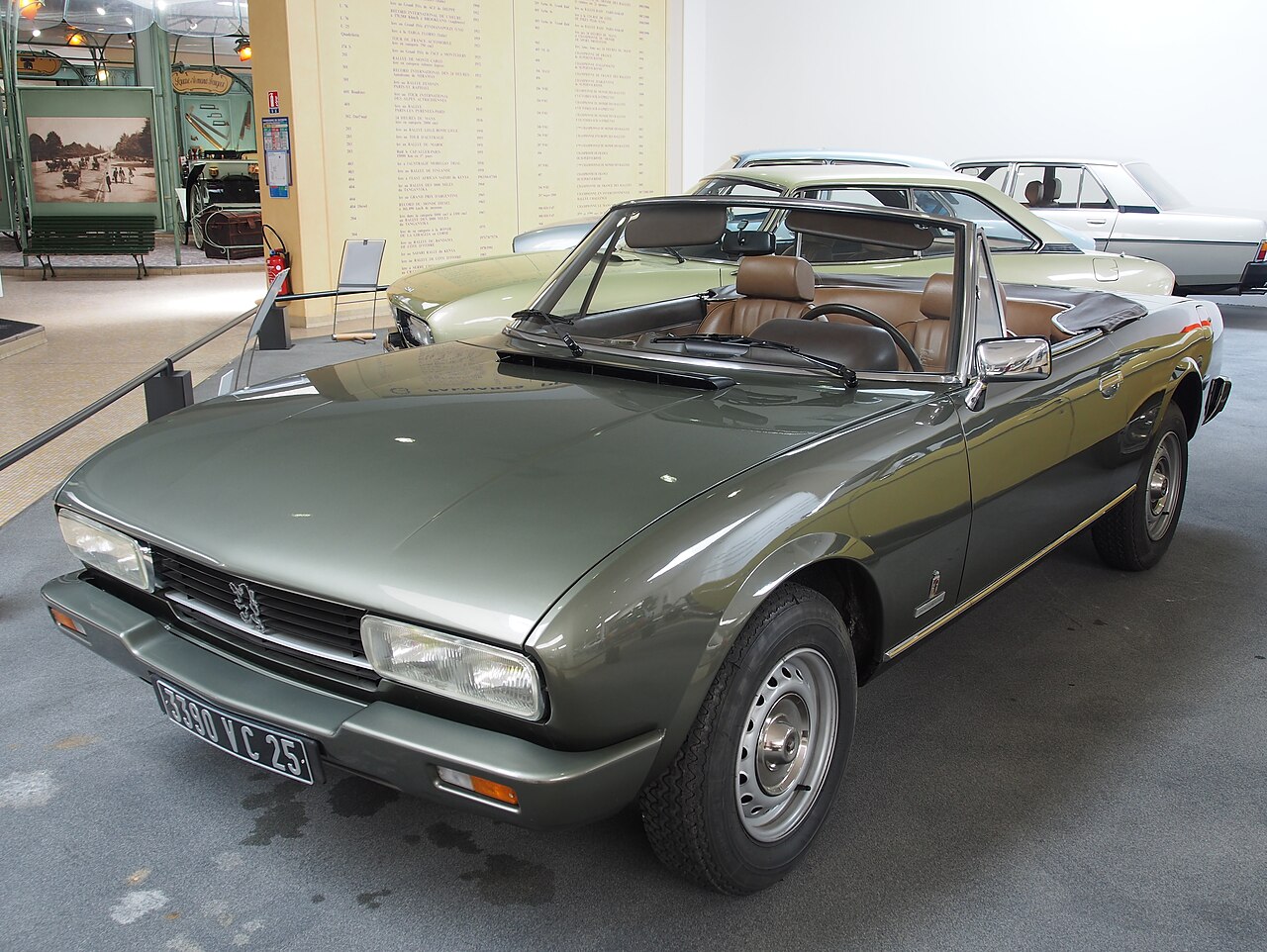
Open-top convertible — the most collectible 504 variant. The V6 Cabriolet, of which only 977 were made, is among the rarest French cars of its era.
Explore →
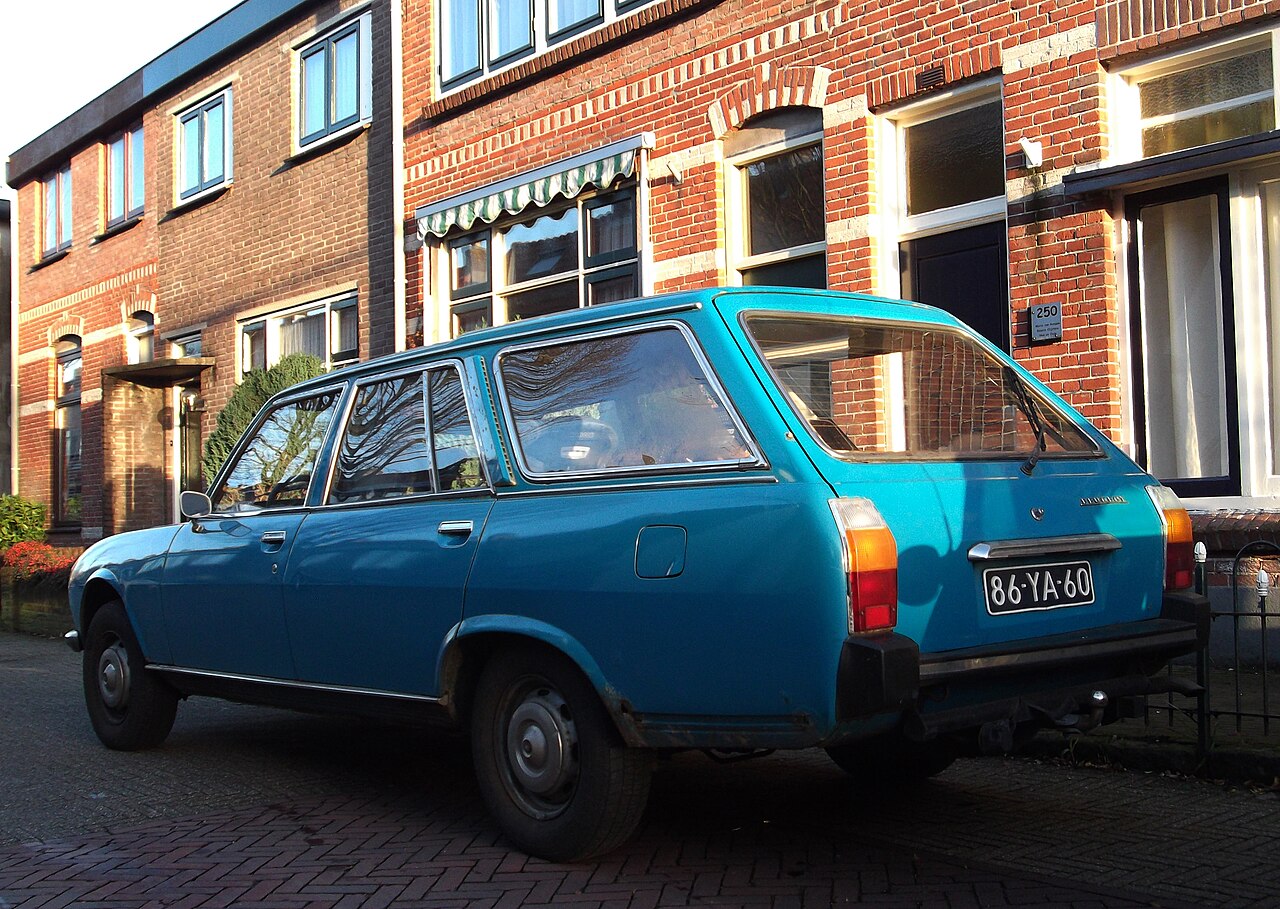
Estate wagon with optional 7-seat Familiale configuration. Live rear axle. Became the mainstay of West Africa's cross-border bush taxi network.
Explore →
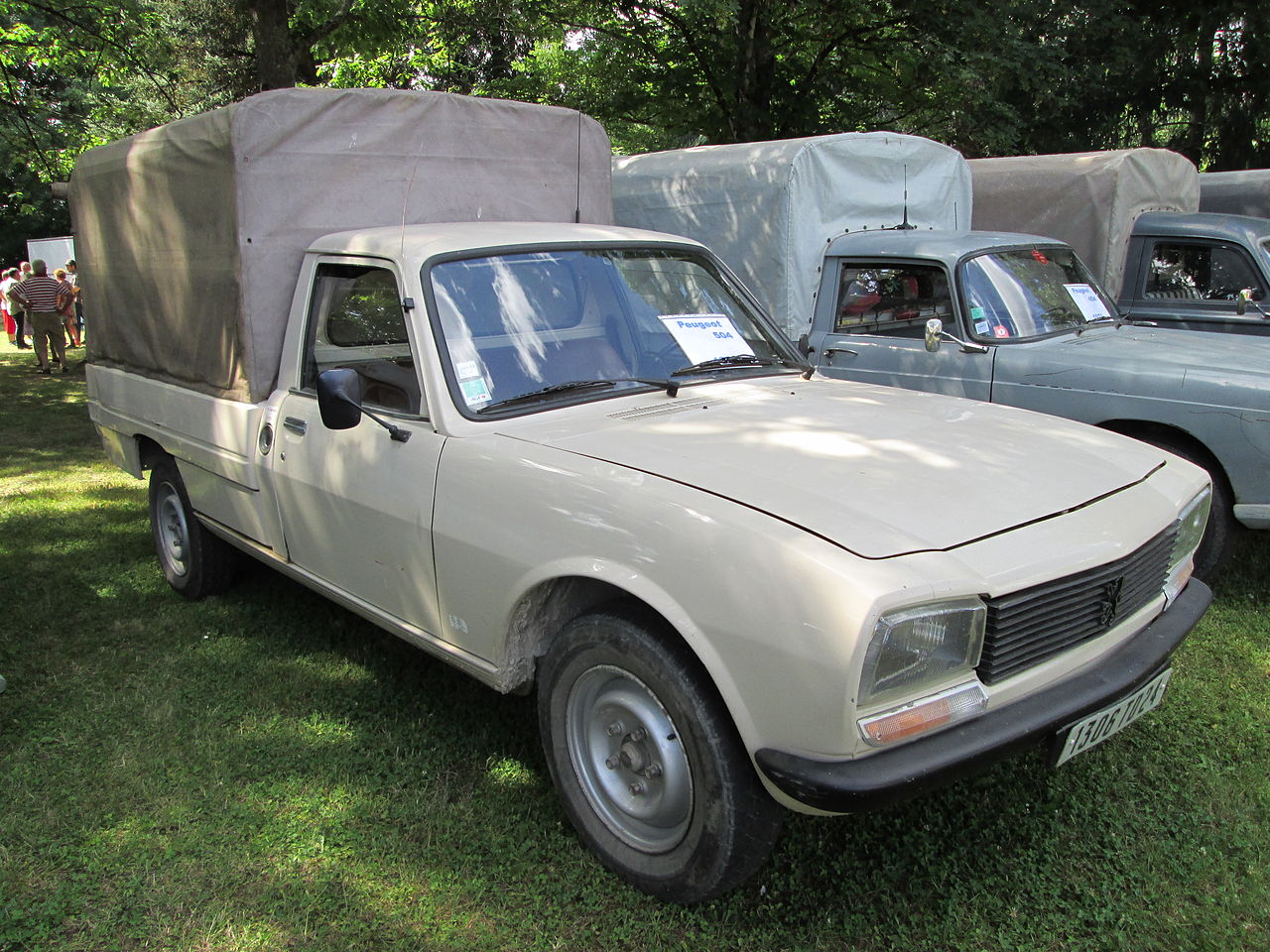
Commercial derivative with 1,100 kg payload. Dangel 4×4 conversion from 1981. Double-cab version in Argentina. Built in Nigeria to 2006.
Explore →Global Legacy
Across France, Nigeria, Argentina, Kenya, South Africa, Australia, Spain, Taiwan, and China. The last 504 rolled off the line in Nigeria in 2006 — 38 years after launch.
Africa
Nigeria built 425,000 units over 31 years. Kenya assembled 27,000 more. The 504 Break estate became the mainstay of cross-border bush taxi routes across West Africa — Mauritania, Senegal, Mali, Burkina Faso, Guinea.
"Even if some say it's old and only good for the breaker's yard — as soon as you find some spare parts it finds a new life."
— Insa Diaw, Senegalese cabbie, driving a 504 since 2002
Africa Story →"Africa's workhorse."
— Los Angeles Times, 2013
Powerplants
From the original 1.8-litre petrol to the legendary 2.1-litre diesel that conquered Africa, to the joint PRV V6 shared with Renault and Volvo.
Original engine. Also offered with Kugelfischer injection (97 hp).
Main petrol engine. Standard in sedan, coupé, cabriolet, break, and Dangel 4×4.
Coupé & Cabriolet only. PRV = Peugeot-Renault-Volvo. Shared with Renault 30 and Volvo 264.
Entry-level pickup engine. The only 504 variant to receive this unit.
First 504 diesel. By 1975, 504 diesels held 65% of France's diesel car market.
The durability legend. Cast iron block, SOHC, repairable with basic tools across Africa.
Design Heritage
Two masters of Italian coachbuilding created the 504 family — one for the sedan, one for the legendary two-door variants.
Sedan
1926 – 2020 · Pininfarina Chief Stylist 1974–1988
Brovarone designed the 504 sedan body — the result of a competition between Pininfarina's studio and Peugeot's internal team. His contribution: the distinctive rear and trunk treatment, described as giving the car "the eyes of Sophia Loren." He also designed the Ferrari Dino 206 GT and Lancia Gamma Coupé.
Read more →Coupé & Cabriolet
1910 – 2001 · Centro Stile Director, Pininfarina
Martinengo designed both the Coupé and Cabriolet — his final automotive works before retirement. Having joined Stabilimenti Farina in 1928 and directed Pininfarina's Centro Stile for 18 years, the 504 two-doors were a distinguished capstone. He was also a first cousin of Pope Francis.
Read more →